We Cannot Even Cross Our Own Land”: LoC Killing Highlights Kashmiri Anger Over Militancy and Restrictions
Written By Waheeda Jammu Kashmiri
Family of Slain Youth Denies ‘Militant’ Label as Locals Blame Decades of Armed Groups for Dividing Lives
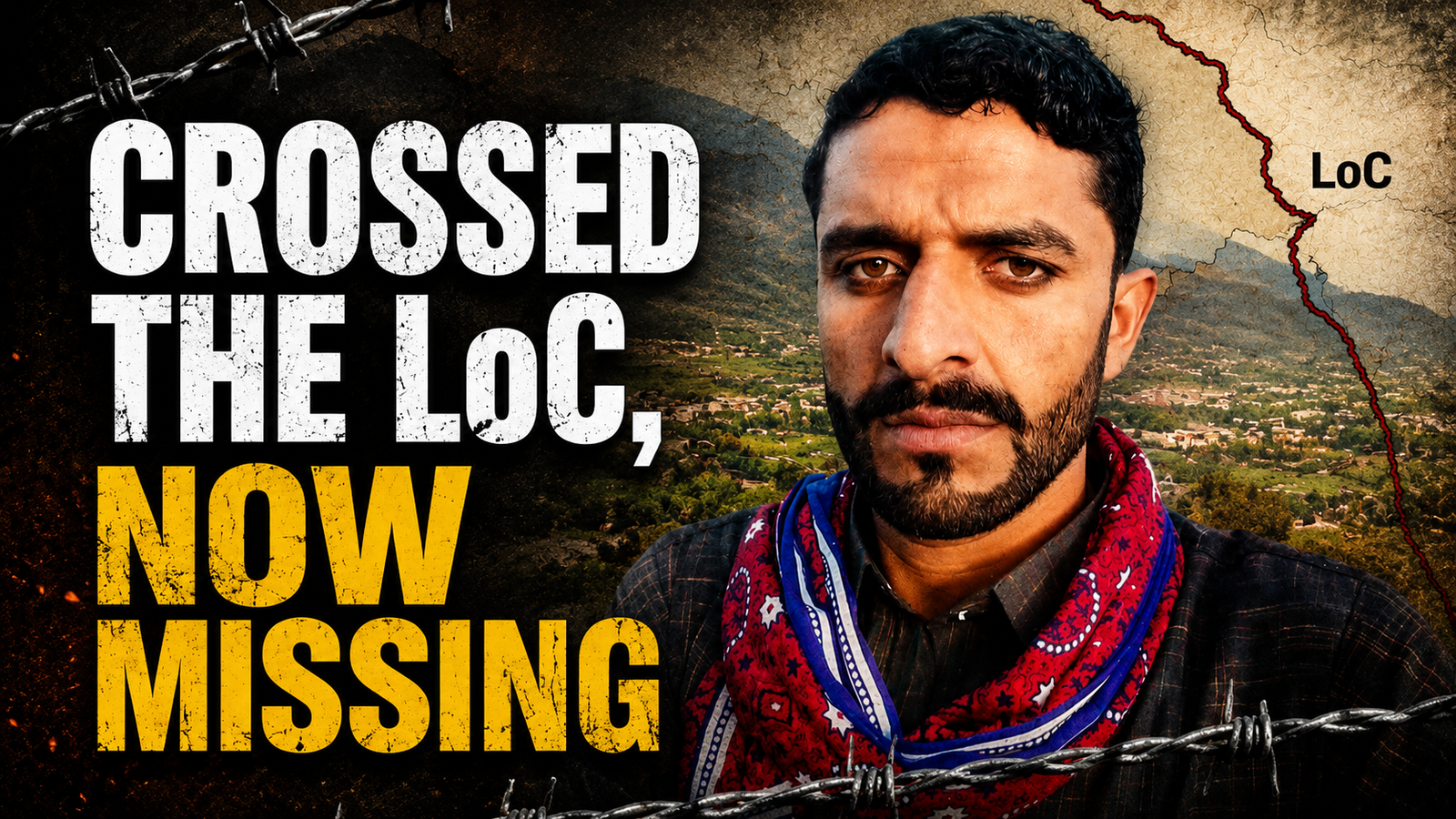
The reported killing of a young man near the Line of Control (LoC) has once again exposed a deep frustration among Kashmiris living along the divided region—many of whom say their lives have been permanently restricted due to militancy and the policies that followed.
Chaudhry Aamir, a resident of Battal village in Poonch district, had gone missing while grazing livestock near the LoC. Days later, Indian media reported that a suspected militant had been killed in the Takshan Ghaati area, releasing a photograph that Aamir’s family says is his.
His father, Muhammad Shafi, and brother, Muhammad Sikandar, reject the claim, insisting he was a civilian who either mistakenly crossed the LoC or was taken across. They say they learned about his death through social media and are still waiting for his body to be returned.
Local residents and the Awami Action Committee Battal have announced protests, demanding answers and accountability.
We Are Treated as Suspects on Both Sides
For many Kashmiris living near the LoC, Aamir’s case reflects a larger, painful reality.
Residents say that due to decades of militancy—particularly involving groups that emerged from Pakistan’s side—ordinary Kashmiris are now viewed with suspicion by both India and Pakistan.
“If someone crosses the LoC by mistake, even while grazing animals, they are treated as a terrorist or a spy,” said a local resident. “India arrests or kills them, and even on the other side, people are not free from suspicion.”
This sense of being trapped—unable to move freely within their own homeland—is a recurring grievance among border communities.
How Militancy Changed Kashmir
Before the late 1980s, movement across parts of divided Kashmir, while politically sensitive, was less rigid. Local populations had more interaction, and the LoC was not as heavily sealed as it is today.
That changed with the rise of armed insurgency around 1989.
Several militant organizations became active over time, including Hizbul Mujahideen, Lashkar-e-Taiba, and Jaish-e-Mohammed. Many of these groups were widely reported to have operated from or been linked to networks in Pakistan.
Under international pressure, Pakistan later banned organizations such as Lashkar-e-Taiba and Jaish-e-Mohammed in the early 2000s. However, for many Kashmiris, the long-term impact of militancy had already reshaped everyday life.
LOC Closed Because of Violence
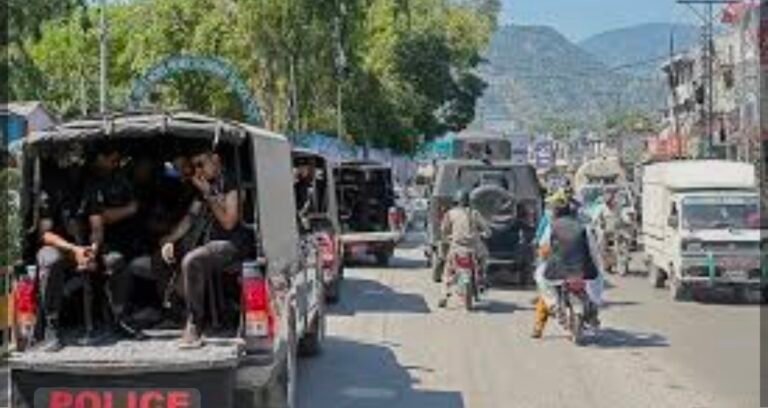
As militancy escalated in the 1990s, the LoC became heavily militarized.
Governments imposed strict controls due to cross-border infiltration, rising attacks, and ongoing military tensions. For civilians, this meant the loss of free movement, separation of families, and constant risk near the border.
Living With the Consequences
Today, many Kashmiris say they are paying the price for a conflict shaped by forces beyond their control.
A shepherd crossing unintentionally can be labeled a militant. A missing person can later appear in reports as a “terrorist.” Families often struggle to recover even the bodies of their loved ones.
Aamir’s family says they contacted authorities when he disappeared but received no help. Now, they are demanding the return of his body.
A Generation Caught in Between
From the Kashmiri perspective expressed by many locals, militancy—especially linked to Pakistan-based groups—has not brought freedom, but further restrictions.
Instead, they say, it has led to:
- The sealing of their land.
- Constant military presence.
- Suspicion from both sides of the border.
“We are the ones who suffer,” said another resident of the area. “Because of these groups and this conflict, we cannot even move freely in our own homeland.”
As protests are planned in Battal, Aamir’s death is not being seen as an isolated incident—but as part of a larger, decades-old reality in which ordinary Kashmiris continue to bear the consequences of militancy and geopolitical conflict.
About Author

-
I am a Computer Science student originally from Mirpur, in Pakistan-administered Kashmir, and currently based in London. Alongside my academic pursuits, I am deeply committed to writing, with a particular focus on local and political issues affecting my homeland. As a contributor to KiNewsHD, I strive to amplify underrepresented perspectives and foster greater awareness through thoughtful, informed commentary.
I am a co-founder of JFJK and previously served as President of its UK zone, where I advocated for the rights and voices of the Kashmiri people, including the aspiration for an independent Jammu and Kashmir. In addition to my advocacy work, I am the founder of K2 Creative Agency, reflecting my interest in creative expression and digital engagement.
As a feminist, I am guided by a strong belief in equality and social justice. I use my platform to engage with issues that matter, drawing inspiration from Shaheed Maqbool Butt, whose legacy continues to shape my perspectives and commitment to activism.
Latest News!
 News06/24/2026The Blood of Our Martyrs Cries Out: Pakistan’s Brutal Crackdown on JAAC Protests in Azad Kashmir
 News05/29/2026AJK Identity Under Threat
 News05/22/2026Hamza Burhan Killed in Muzaffarabad: Kashmiris Trapped Between Indian Propaganda and Pakistani Hypocrisy
 Blog05/20/2026Troop Withdrawal in Jammu and Kashmir: Debate and Justification