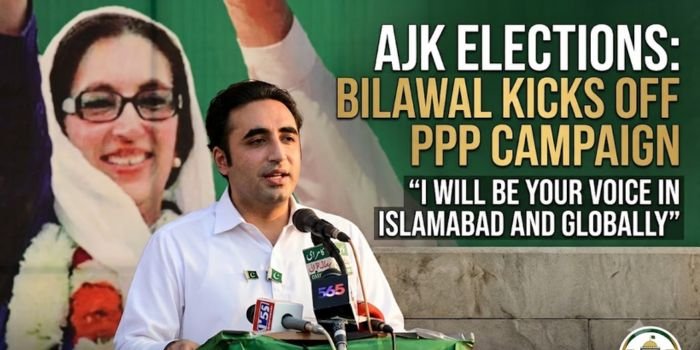
A Comparative Review of State Responses in Indian-Administered and Pakistan-Administered Jammu & Kashmir
By Khawaja Kabir Ahmed
History does not merely record how states deal with their opponents; it also remembers how they treat ordinary citizens. The true test of a state is not only on the battlefield but also in the way it responds to peaceful dissent and public protest within its own population.
For the past three years, a public rights movement has been underway in Pakistan-administered Jammu & Kashmir. According to its stated objectives, the movement has remained peaceful and constitutional, focusing on basic economic and civic rights. Its demands include affordable electricity, reasonably priced flour, local ownership of natural resources, and broader public welfare. In other words, it is not a movement seeking to seize power or engage in armed conflict, but rather one advocating for fundamental rights.
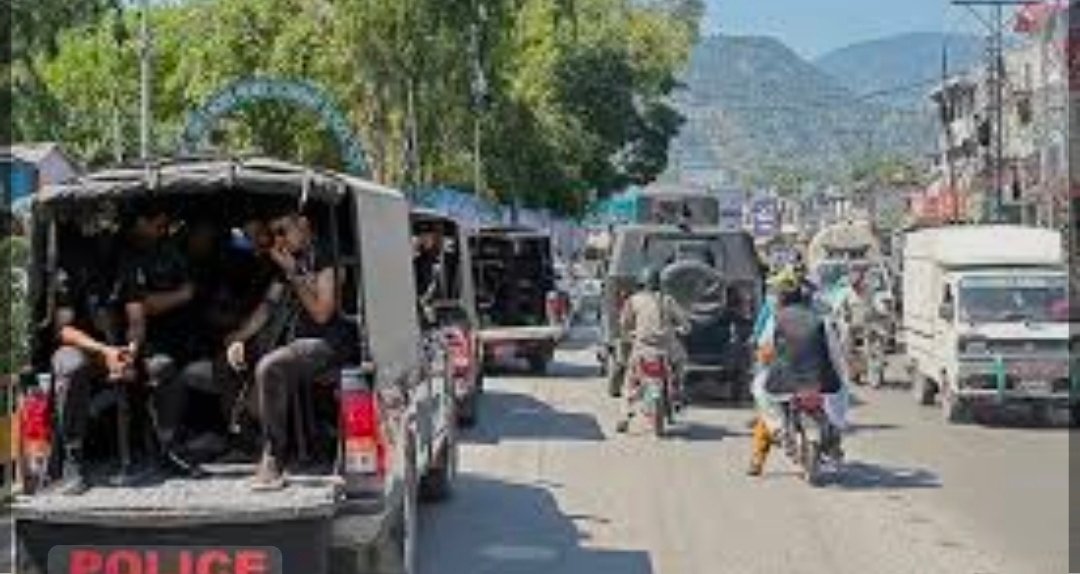
If, as has been reported, access to food, drinking water, and medicines for the general public is effectively disrupted during this movement, and even the transportation of essential goods is significantly restricted, the issue ceases to be merely political. It becomes a fundamental question of human rights, affecting children, the elderly, patients, and other vulnerable members of society.
This situation invites comparison with Indian-administered Jammu & Kashmir, where an independence movement has continued in various forms for nearly thirty-eight years, including periods of armed insurgency. During these decades, the region has witnessed military operations, prolonged curfews, arrests, loss of life, and serious allegations of human rights violations—forming a painful and violent chapter in its history.
Yet, even within that historical context, one important question remains. Based on publicly available information, there appears to be no clear evidence that the state systematically imposed a region-wide and complete suspension of food, drinking water, and medical supplies for the civilian population as an official policy.
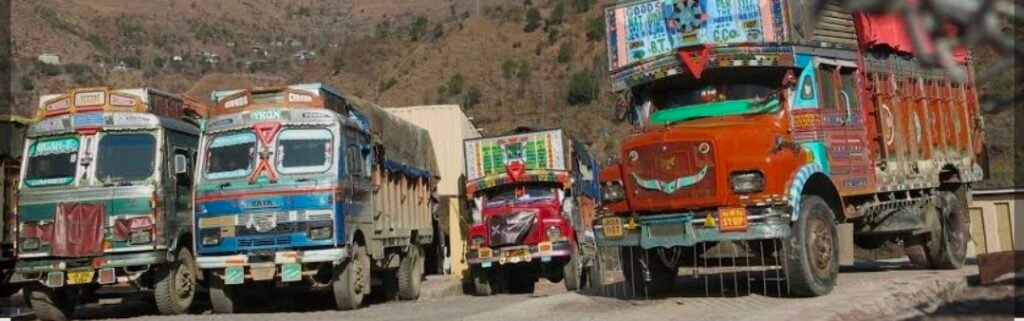
If one state has faced an armed separatist movement for nearly four decades without collectively targeting civilians’ access to essential necessities, while another witnesses reports of disruptions to food, water, and medical supplies during a three-year peaceful public rights movement, such a comparison inevitably raises important questions.
The purpose of state authority should be to protect its citizens, not to deprive them of life’s basic necessities. Regulating public protests within the framework of the law may be a legitimate responsibility of the state, but when patients are left without medicine, children without food, and ordinary people without access to essential supplies, the issue moves beyond politics and becomes one of human dignity and fundamental rights.
Future generations will not simply ask how powerful a state was; they will ask how that power was exercised, against whom, and to what extent. They will judge whether a state treated its own citizens as adversaries by turning basic necessities into instruments of pressure, or whether it upheld the principles of humanity and the rule of law despite political disagreement.
The current situation in Pakistan-administered Jammu & Kashmir must therefore be viewed through this broader lens. If civilians’ access to food, water, and medicines is being disrupted, restoring that access without delay is not only a political obligation but also a moral, legal, and humanitarian responsibility.
Dissent may be suppressed by force, but turning hunger, thirst, and illness into instruments of political pressure can never be a source of pride for any civilized society. States are ultimately remembered not for the extent of their power, but for the way they treat their own people.
About Author
-
Khawaja Kabir Ahmed is a British/Belgian Kashmiri journalist who has been associated with the field of journalism since his educational days.
He holds a degree in journalism from the UK, is the Director News/Director Public Affairs and Anchorperson of the web TV channel Jammu Kashmir TV.
He writes on various topics in print journalism, focuses on the state of Jammu and Kashmir and is a promoter of fundamental human rights.
Latest News!
 Opinion09/21/2026Yasin Malik’s Case: A New Legal Turn and a Question for the Global Conscience
 Opinion09/15/2026After Balochistan, Pakistan-Administered Jammu Kashmir?
- Opinion09/14/2026Sanctions on Israel: A Major and Positive Step —But Why Not the Same for India and Pakistan?
 Opinion08/20/2026Changing U.S. Policy on Jammu and Kashmir And the Kashmiri People Caught Between Two Nuclear Powers