Young Markhor Calf Passes Away at Pattika Wildlife Park
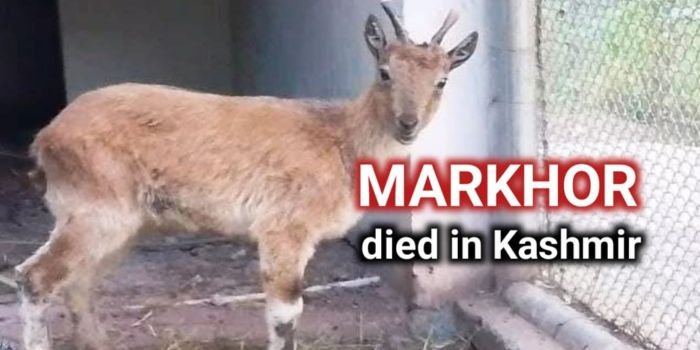
MUZAFFARABAD: The Wildlife Department has confirmed the sudden death of a young Markhor calf at the Pattika Wildlife Park (Pattika Aviary), located in Pattika near Muzaffarabad, the capital of Pakistan-administered Kashmir.
The animal, which had been previously rescued from the remote Haveli district of Pakistan-administered Kashmir, passed away despite showing signs of recovery from a recent illness.
Key Details from the Postmortem Report:
- Species: Markhor (Male)
- Age: Approximately 9 months
- Origin: Rescued from Haveli District
- Date of Death: December 21, 2025
- Primary Cause of Death: Suspected Cardiac Arrest
The Story of the “Wild Goat” of Haveli
The calf’s journey to the park began in late October. A shepherd in the Phaala Game Reserve (Haveli District) noticed a “wild goat” that had curiously joined his domestic herd. Recognizing it was no ordinary animal, he alerted authorities.
Wildlife teams identified it as a rare Pir Panjal Markhor. Despite two days of searching for its mother in the rugged terrain along the Line of Control (LoC), officials were forced to relocate the calf to Pattika for its own safety, as it was too young to survive the winter alone.
Medical Breakdown: What Happened?
While the calf seemed to be thriving and had recently recovered from a digestive issue, its death came as a shock to the staff.
- Initial Illness: The calf suffered from diarrhea on December 19.
- Recovery: It responded well to treatment and returned to its normal feeding routine.
- Final Findings: A postmortem conducted at CVH Kahori (Report No. 96-VO-H-2025) found no signs of injury or trauma. However, hyperemic blood spots on the heart led experts to conclude the cause was sudden cardiac arrest.
| Category | Details |
| Species | Markhor (Male) |
| Age | Approximately 9 Months |
| Origin | Rescued from Haveli District |
| Location | Wildlife Park, Pattika (Pattika Aviary) |
| Date of Death | December 21, 2025 |
| Postmortem Date | December 22, 2025 |
| Official Report No. | 96-VO-H-2025 (CVH Kahori) |
| Primary Findings | Hyperemic blood spots on the Heart |
| Cause of Death | Cardiac Arrest |
Markhor Across the Borders: Gilgit, Hunza, and Kashmir
The Markhor is more than just Pakistan’s national animal; it is a “flagship species” that indicates the health of the entire mountain ecosystem.
The Success in Gilgit-Baltistan and Hunza
In the north, the Astor Markhor has seen a remarkable comeback. In regions like Hunza and Gilgit, the population is estimated to be between 3,500 and 5,000 individuals within Pakistan.
- Community Guarding: In places like the Khyber village of Upper Hunza, local communities act as the first line of defense against poachers.
- The “Trophy” Model: Regulated hunting programs in GB ensure that 80% of the permit fees go directly into local village development, making the Markhor more valuable alive than dead to the residents.
The Struggle in Kashmir
The Pir Panjal (Kashmir) Markhor faces unique challenges compared to its northern cousins:
- Habitat Fragmentation: Fencing along the Line of Control (LoC) and projects like the Mughal Road have split Markhor populations, making it harder for them to migrate and breed.
- New Discoveries: Despite the loss at Pattika, there is hope. Recent surveys by officials like Chaudhry Kamran Bashir have confirmed the presence of Markhor in the Hillaa’n Game Reserve, a promising sign that the species is expanding its footprint in AJK.
Roadmap: How to Protect and Grow the Population
To ensure that future rescues like the Haveli calf have a better chance of survival, a multi-pronged strategy is needed:
1. Keep Farm Animals Away (Health Zones)
Wild Markhor can catch sickness from farm goats (like the diarrhea that hurt the calf).
- The Plan: We must keep farm animals and Markhor in separate areas.
- Why: This stops germs from jumping from farm animals to the wild Markhor.
2. Create Safe Paths (Travel Bridges)
Roads and big fences stop the Markhor from moving to find food or mates.
- The Plan: Build “animal bridges” or clear paths where they can walk safely without hitting fences or cars.
- Why: This helps them stay strong and meet other groups of Markhor.
3. Better Hospitals For Animals
Places like the Pattika Park need better tools and special medicine.
- The Plan: Train more animal doctors (vets) specifically for mountain goats.
- Why: Young calves are very sensitive. They need special care and doctors who understand their stress to survive.
4. Help Local People Earn Money
If local people benefit from the Markhor being alive, they will protect them.
- The Plan: Start “Markhor Tourism.” Instead of hunting, locals can earn money by showing the beautiful animals to visitors.
- Why: When the community makes money from tourism, they become the “guards” of the Markhor.
The Big Picture: The Markhor is currently listed as ‘Near Threatened.’ Every loss, like the calf at Pattika, is a reminder of how fragile these populations are. Strengthening monitoring at facilities and protecting their natural homes in Haveli and beyond remains the Wildlife Department’s top priority.
About Author

- Muhammad Saif is an experienced SEO content and news writer with 4 years of expertise in creating engaging, optimized content. Skilled in keyword research, SEO strategy, and crafting timely news articles, Muhammad Saif helps brands boost visibility and connect with audiences. Known for simplifying complex topics, Muhammad Saif delivers impactful content that informs and inspires.